Tap, Scan And Go: How Paytm Made Everyday Payments Effortless
From morning chai to mall shopping, Paytm contactless payments let you pay in seconds without cash or cards, making everyday transactions faster, safer and refreshingly simple.
What Is Contactless Payment On Paytm And How To Use It
Contactless payments have quietly transformed how people in India handle everyday transactions, from paying at neighbourhood stores to settling bills at large retail chains. Paytm, one of the country's most widely used digital payment platforms, has played a central role in this shift towards faster and safer payments. With just a smartphone and a few taps, users can complete transactions without handing over cash or cards. Understanding how Paytm contactless payments work helps users embrace convenience while staying confident and secure in a digital-first world today.
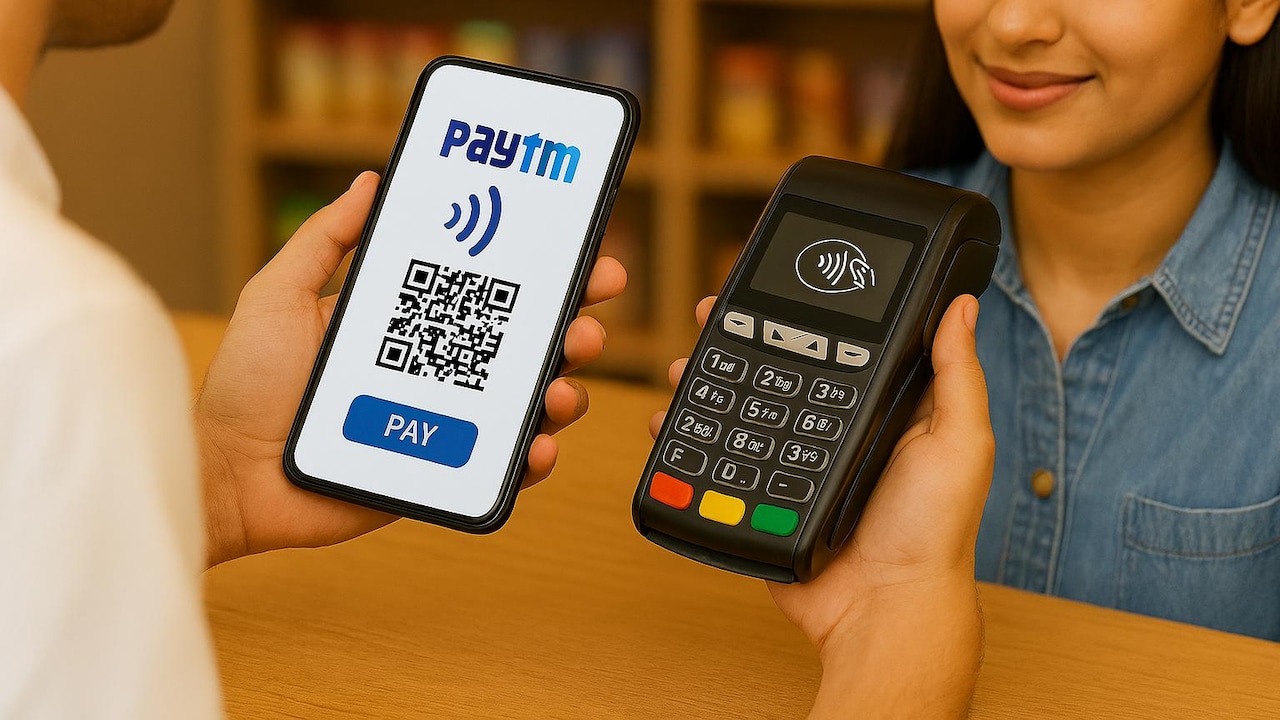
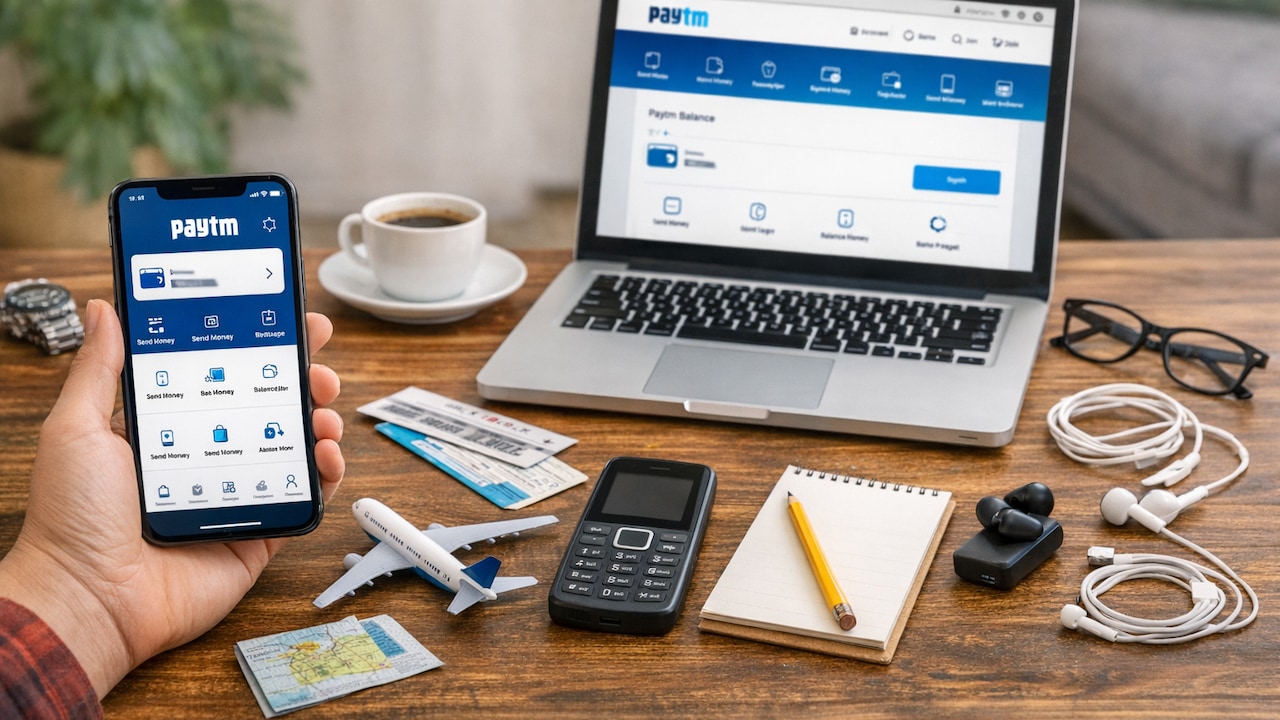
Tap, scan and pay instantly with Paytm's seamless contactless features.
Photo Credit: Copilot
As hygiene, speed and simplicity become priorities, contactless payments feel less like a luxury and more like a daily necessity. Paytm's technology allows users to scan, tap or authenticate payments in seconds, reducing queues and physical contact. Whether you are new to digital payments or already a regular Paytm user, knowing the features, limits and best practices can make a noticeable difference. This guide explains what contactless payments on Paytm mean, how to use them correctly and why they fit seamlessly into modern lifestyles.
What Contactless Payments On Paytm Actually Mean
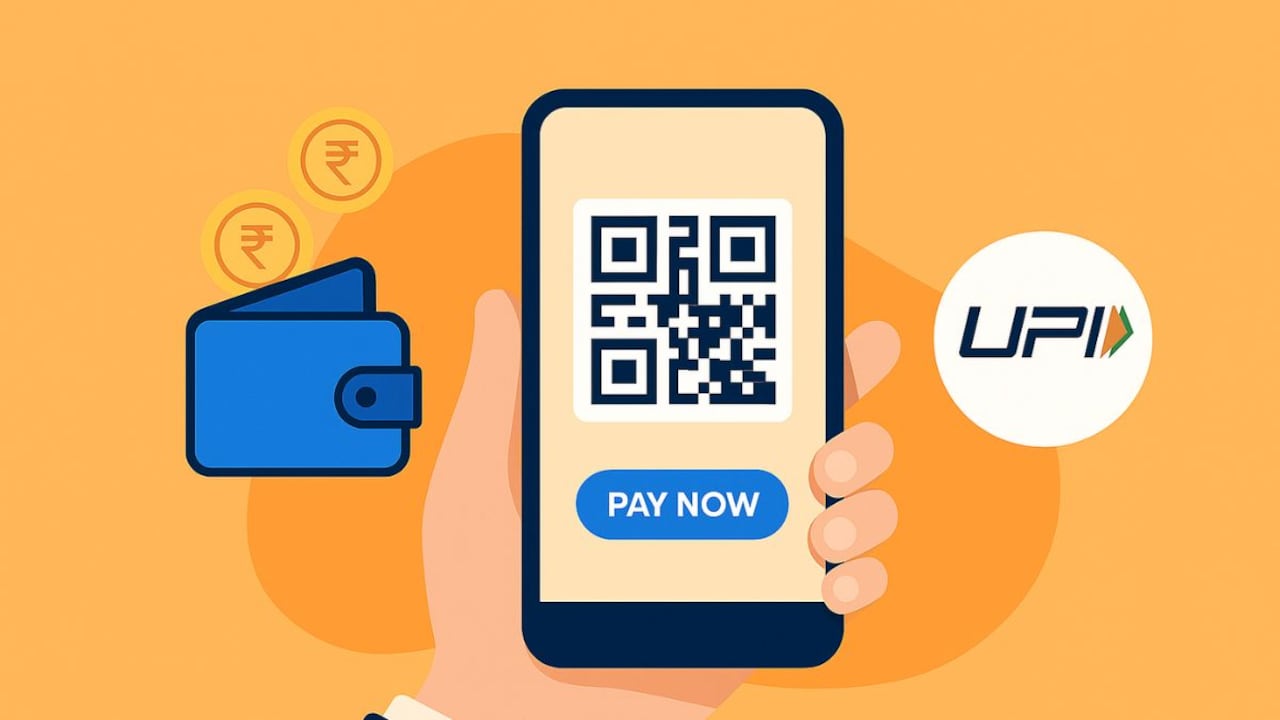
Contactless payments on Paytm refer to transactions that do not require physical exchange of cash, cards or even touching shared payment devices. Instead, users rely on technologies like QR codes, Near Field Communication and secure UPI authentication within the Paytm app. These payments are completed by scanning, tapping or confirming through a mobile screen, making the process quick and hygienic. Paytm integrates directly with bank accounts, wallets and cards, allowing seamless movement of money. The goal is to reduce friction in everyday transactions while maintaining strong security layers. This approach suits both small merchants and large businesses, making contactless payments a practical solution rather than a niche feature.
Also Read: How To Spot Fake Payment Requests On Paytm UPI And Protect Yourself Online
Different Ways To Use Contactless Payments On Paytm
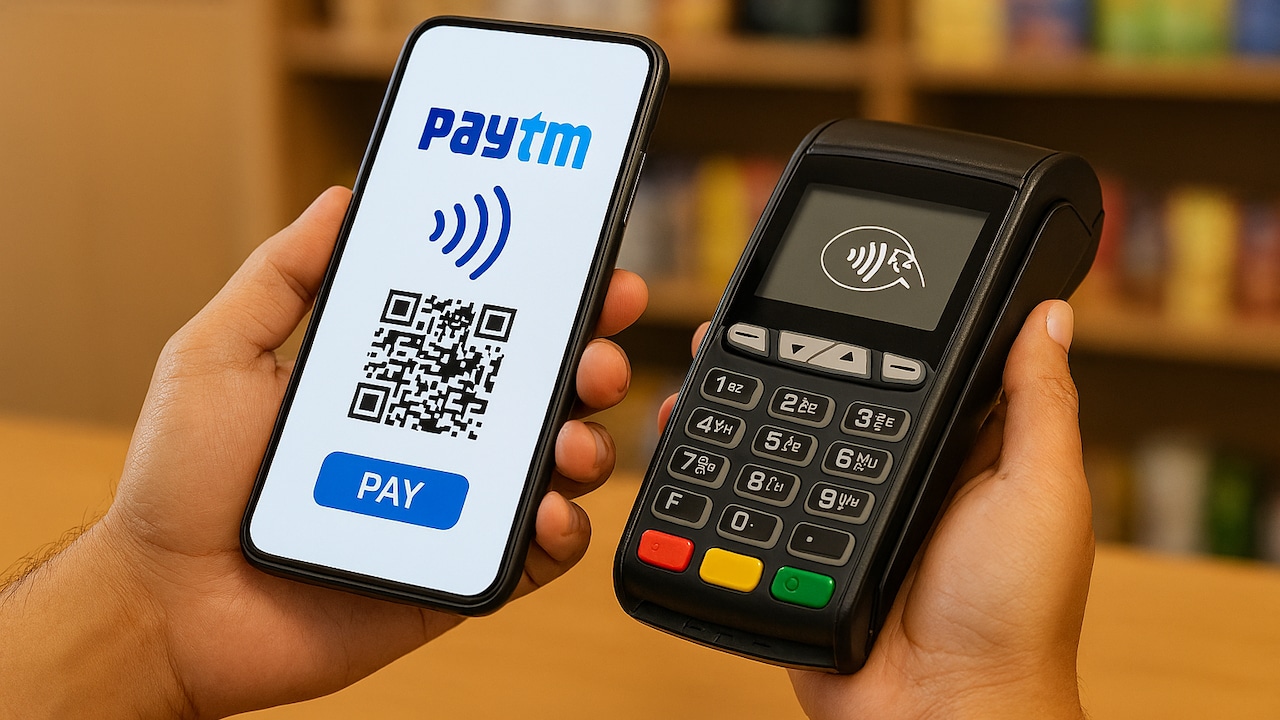
Paytm offers multiple contactless options to suit different situations and devices. The most common method is scanning a QR code displayed by a merchant, entering the amount and confirming the payment. For compatible smartphones, NFC Tap And Pay allows users to simply tap their phone on a supported terminal. Paytm also enables contactless online payments through saved UPI details and in-app checkouts. Each method eliminates the need for cash handling or card swiping. Users can choose the option that matches their comfort level, device capability and transaction environment without changing their core payment habits.
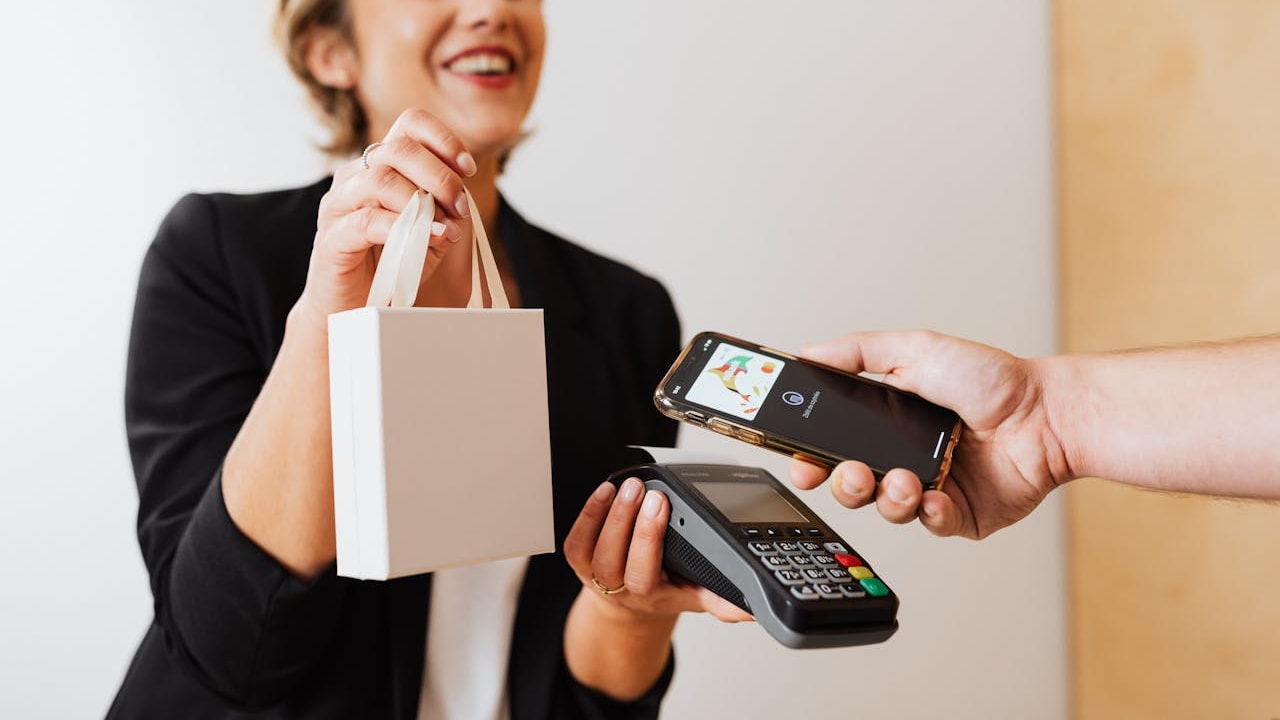
A quick, touch-free way to checkout using your phone and a simple tap.
Photo Credit: Pexels
How To Set Up Contactless Payments On Paytm
Setting up contactless payments on Paytm is designed to be beginner-friendly. After downloading the app, users need to complete basic verification using a mobile number and link their bank account or wallet. For QR-based payments, no extra setup is required beyond enabling UPI. NFC payments may need device-level permissions and supported hardware. Users can also set payment preferences, default accounts and security settings like app locks. Once configured, Paytm remembers these details, allowing future payments to be completed in seconds. This simplicity is a key reason why contactless payments feel intuitive even for first-time users.
Security And Safety Features You Should Know
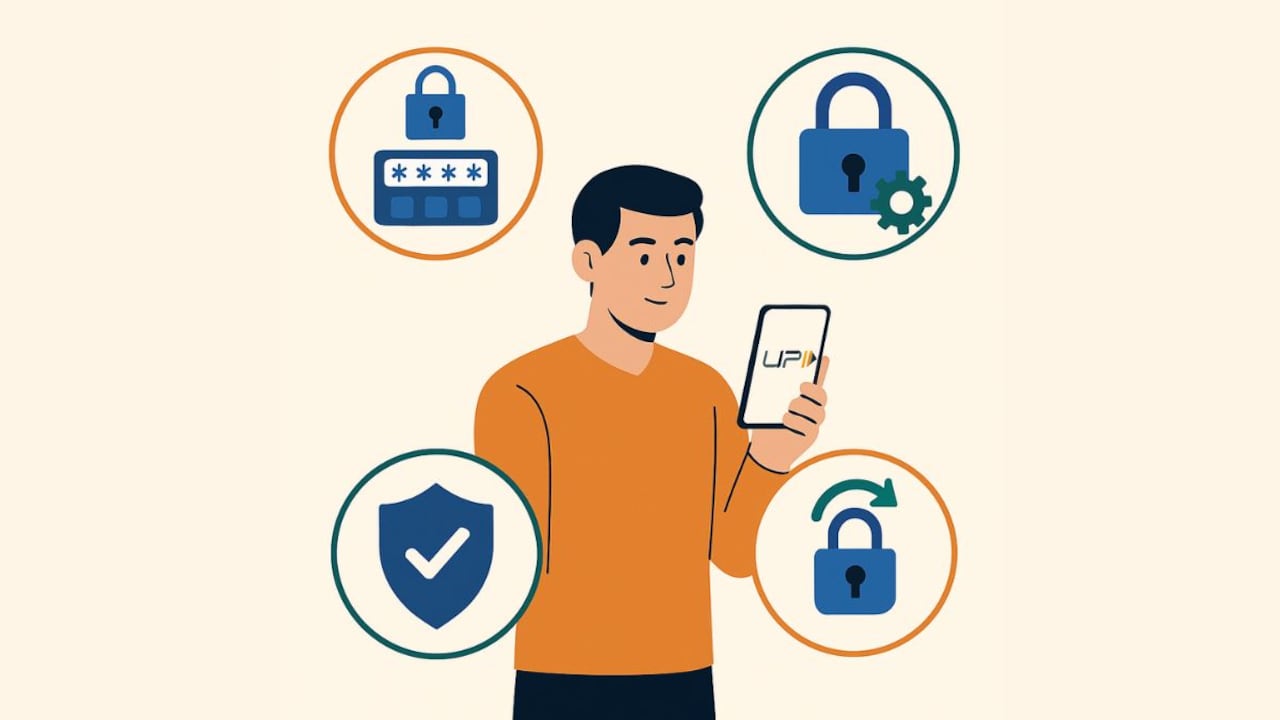
Security is a major concern with digital payments, and Paytm addresses this through multiple protective layers. Every contactless transaction requires authentication, such as a UPI PIN, biometric verification or app lock confirmation. Sensitive data is encrypted, ensuring that personal and financial information remains protected. Users can instantly view transaction histories, receive alerts and block accounts if suspicious activity is detected. Paytm also follows regulatory guidelines for payment limits and verification. These features ensure that contactless payments remain convenient without compromising safety, offering reassurance to users who may still be cautious about cashless transactions.
Everyday Situations Where Paytm Contactless Payments Shine
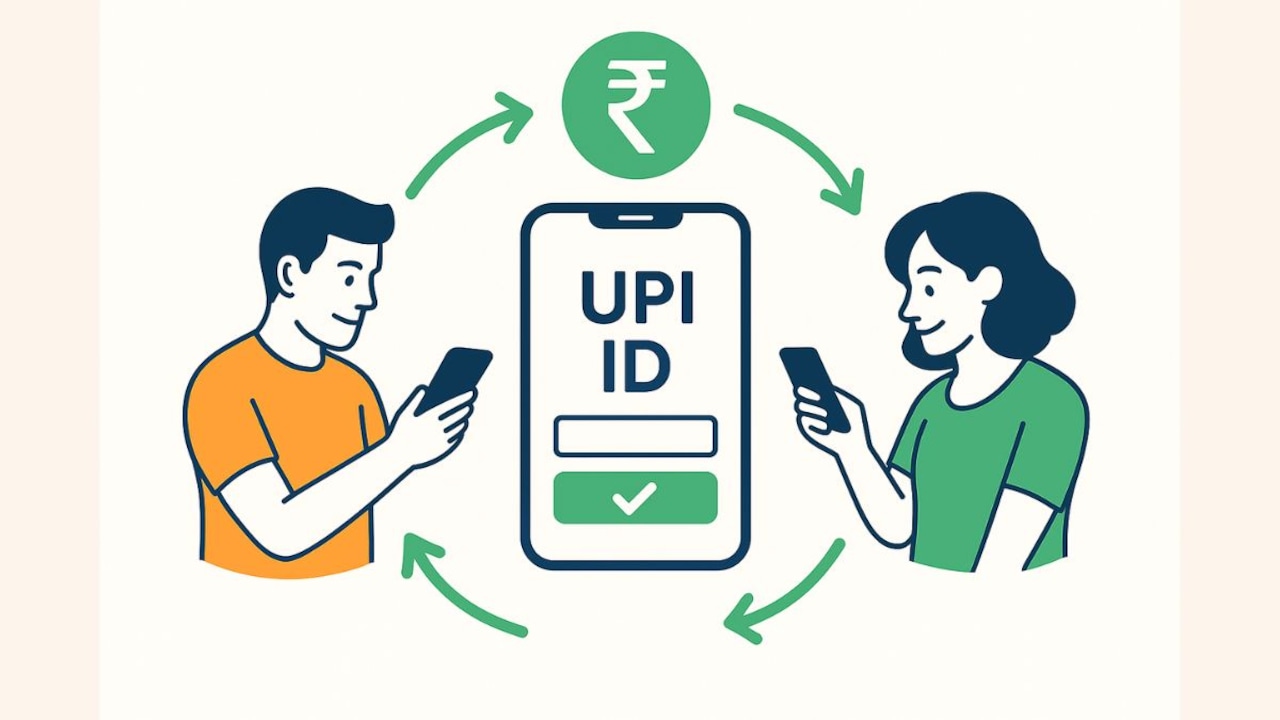
Contactless payments on Paytm are especially useful in fast-paced environments. Local grocery stores, cafés, fuel stations and public transport counters benefit from quicker checkouts. At offices and residential complexes, QR payments reduce the need for cash handling. Online shopping and bill payments also become smoother with saved details and one-tap confirmations. Even peer-to-peer transfers feel easier, as users only need a mobile number or QR scan. These scenarios highlight how Paytm fits naturally into daily routines, saving time while reducing the small stresses associated with traditional payment methods.
Also Read: Paytm Gold: Start Investing With Just ₹1
Benefits For Users And Merchants Alike
For users, the biggest advantages of Paytm contactless payments are speed, convenience and transparency. Payments are instant, records are automatically stored and budgeting becomes easier with clear transaction histories. Merchants benefit from faster customer turnover, reduced cash management and easier reconciliation. Contactless payments also lower the risk of errors and theft associated with cash. Paytm's wide acceptance network ensures that both sides experience minimal disruption. This mutual benefit explains why contactless payments are no longer limited to urban areas but are expanding steadily across towns and smaller cities.
Common Limitations And Things To Keep In Mind
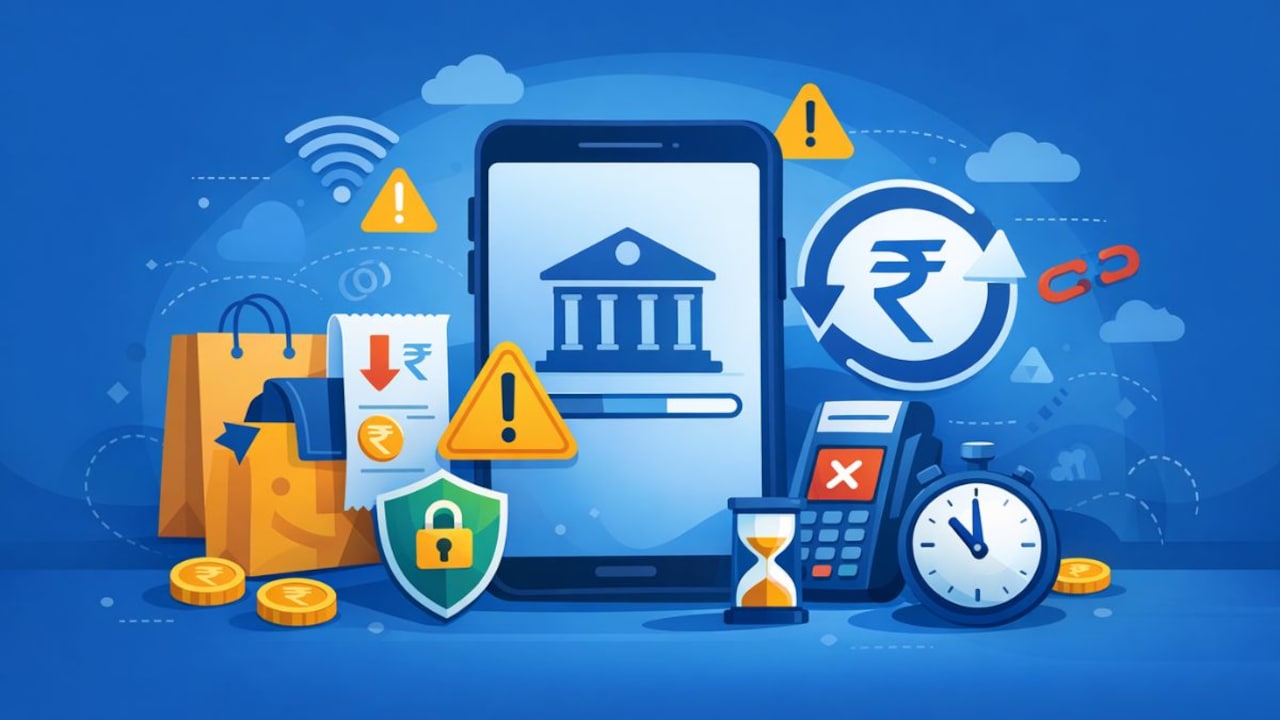
While contactless payments are convenient, they do come with certain limitations. Network connectivity is essential, and poor internet access can delay transactions. Device compatibility matters for NFC-based payments, which may not work on all smartphones. There are also transaction limits set by banks and regulators for security reasons. Users should regularly update the app and avoid sharing PINs or verification details. Understanding these boundaries helps users set realistic expectations and use Paytm contactless payments more confidently without frustration or unnecessary risks.
Fast, secure and effortless payments that fit perfectly into modern routines.
Photo Credit: Pexels
Contactless payments on Paytm represent a practical shift towards faster, cleaner and more efficient money management in everyday life. By combining simple technology with strong security measures, Paytm allows users to pay, transfer and manage funds with minimal effort. Whether scanning a QR code or tapping a phone, the experience is designed to feel natural and reliable. As digital habits continue to evolve, understanding and using contactless payments can save time, reduce stress and add a layer of convenience that fits perfectly into modern routines.
Frequently Asked Questions (FAQs)
Q1. What are contactless payments on Paytm used for
Contactless payments on Paytm are used for making quick digital transactions without cash or cards. They work for shopping, bill payments, transfers and online purchases.
Q2. Do contactless payments on Paytm require internet access
Yes, an active internet connection is usually required to complete transactions. Stable connectivity ensures smooth verification and instant payment confirmation.
Q3. Are Paytm contactless payments safe for daily use
Paytm uses encryption, PIN authentication and device security to protect users. These layers make it suitable for regular, everyday transactions.
Q4. Can contactless payments be made without a Paytm wallet balance
Yes, users can pay directly through linked bank accounts using UPI. A wallet balance is optional for most contactless transactions.
Q5. Is there a limit on Paytm contactless payments
Transaction limits depend on bank rules and regulatory guidelines. These limits are set to enhance security and reduce misuse.
(Disclaimer: This article may include references to or features of products and services made available through affiliate marketing campaigns. NDTV Convergence Limited (“NDTV”) strives to maintain editorial independence while participating in such campaigns. NDTV does not assume responsibility for the performance or claims of any featured products or services.)