Smart Ways To Track Your Daily Expenses Without Stress
Learn how budgeting and tracking daily expenses can simplify money management. Discover smart habits and digital apps for effortless financial control.
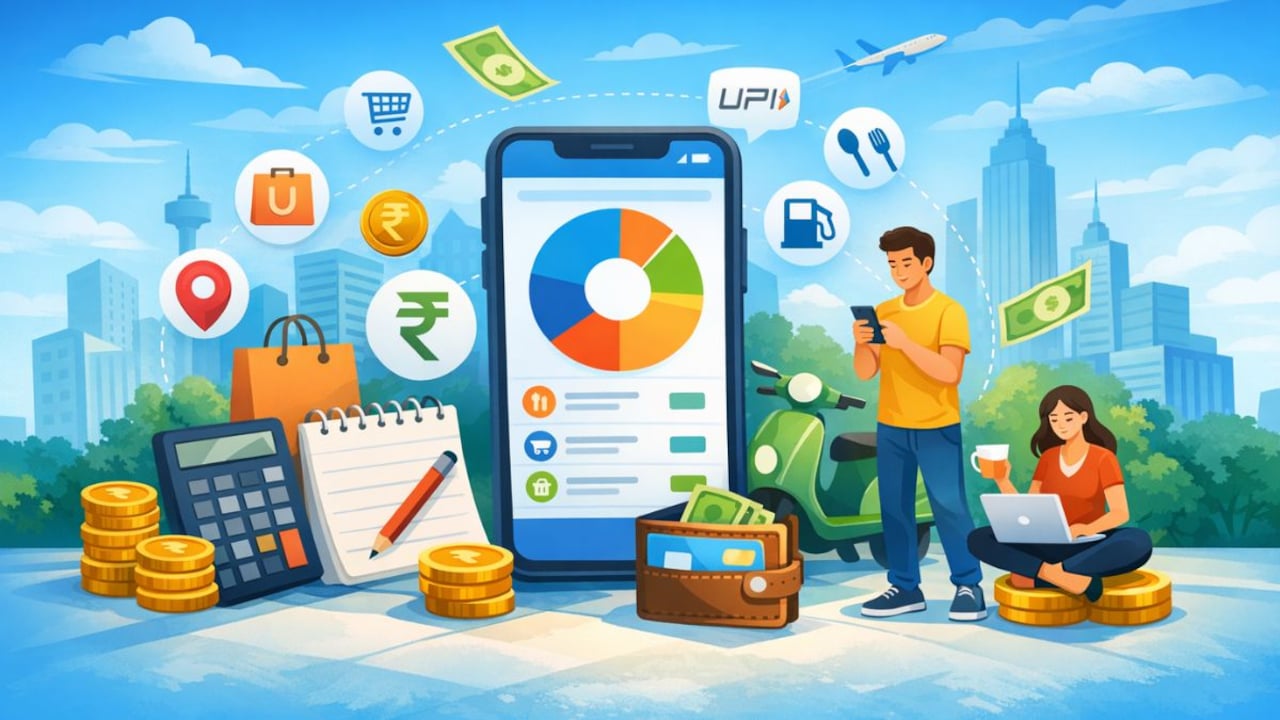
Your money makes more sense when you track where it goes.
If there's one thing most young adults agree on, it's that managing money can feel like a full-time job. Between paying rent, grabbing quick meals, online shopping sales that pop up out of nowhere, weekend plans, bills, subscriptions that renew silently, and the occasional impulse buy, it's easy to lose track of where your money is going. And even if you earn well, the end of the month often brings the same question: How did I spend so much so fast?
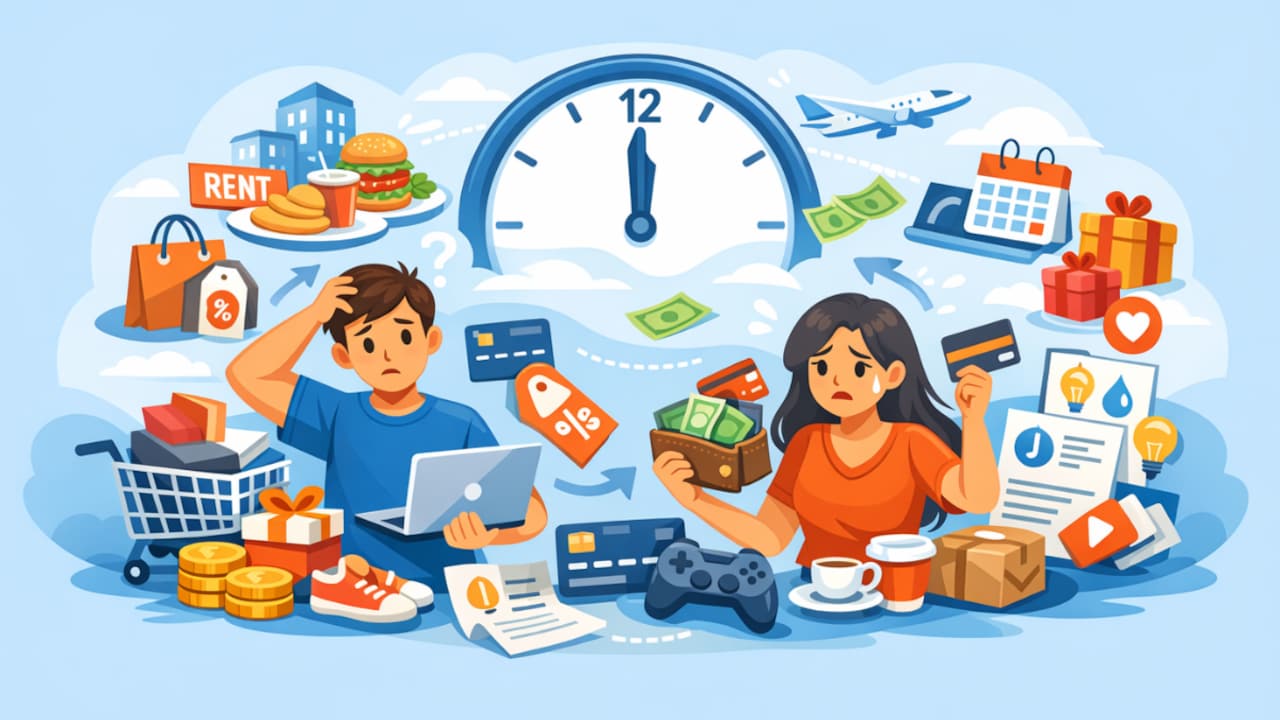
Budgeting isn't restricting; it's simply planning smarter.
Photo Credit: Co-Pilot
The truth is, expense tracking needn't feel like a boring adult chore, it can be a simple way to stay in control of your finances without cutting out the things you enjoy. Once you understand your spending patterns, you can save smarter, plan better, and still live comfortably. And the best part? You don't need complicated tools or spreadsheets. A few smart habits, supported by the right digital app, can make the entire process effortless.
Also Read: How To Keep Your Digital Transactions Safe: A Simple Guide To Safe Mobile Transactions
7 Smart Ways To Track Daily Expenses
1. With A Clear Picture
The first step is understanding your spending rhythm. Everyone has fixed costs like rent, EMIs, utilities, and flexible expenses like food, transport, shopping, and entertainment, etc. Once you identify what's non-negotiable and what varies each month, you automatically gain clarity on what you can control. This awareness itself is a powerful starting point before you formally begin tracking anything.
2. Choose One Primary Way To Pay
If you often struggle to remember what you spent on, chances are your payments are spread out across different modes of payment; cash, UPI, credit cards, or maybe a forgotten wallet here or there. Using one primary payment method instantly simplifies things. When most of your spending flows through a single channel, your financial footprint stays neatly organised in one place. You can open your transaction history anytime to see what you spent today, this week, or last month. It's the easiest way to stay honest and transparent with yourself.
3. Capture Small Spends Before They Disappear
It's rarely the big purchases that disturb your budget. It's the tiny ones, the energy drink, a quick auto ride, a snack because you skipped breakfast, that quietly pile up.
The easiest fix? Record them instantly. You don't need long notes, just pay through a digital app that automatically logs everything. Once you get into the habit of acknowledging small spends, you'll start noticing patterns you previously overlooked.
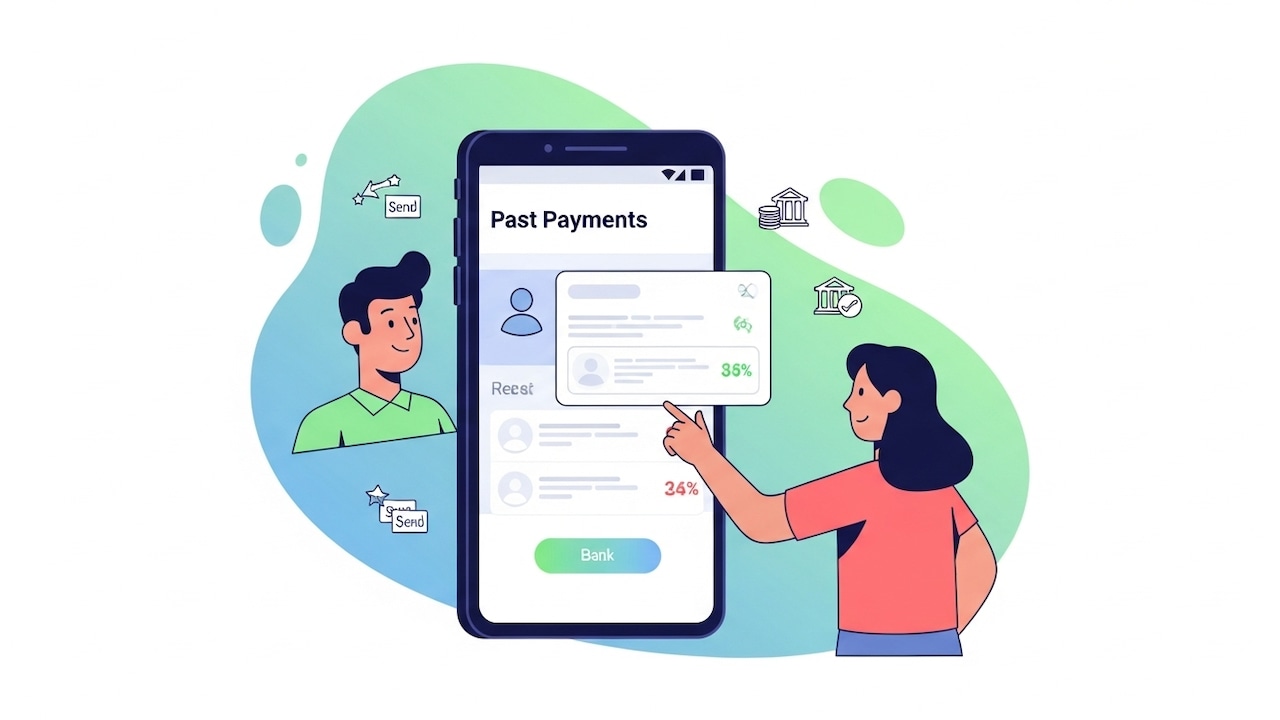
4. Review Your Money
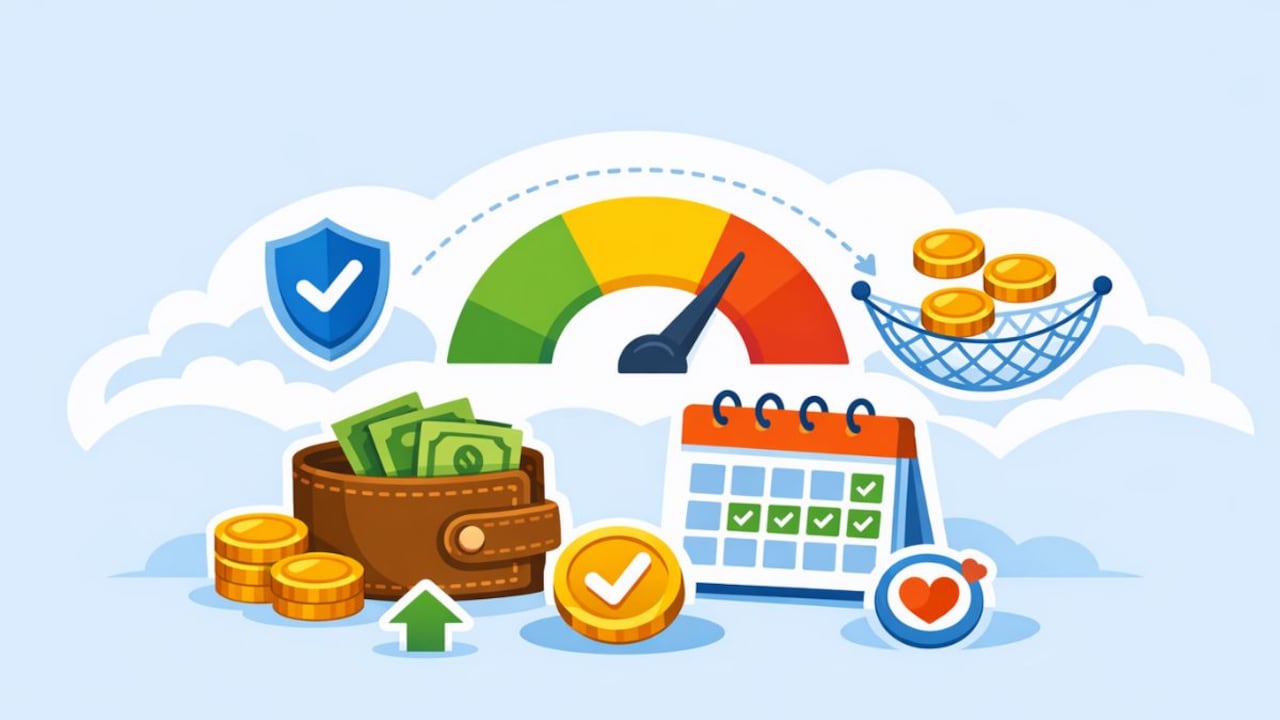
Small spends add up, tracking them keeps you in control.
Photo Credit: Co-Pilot
Monthly reviews are helpful, but often seem late. Weekly check-ins give you real coverage. Once a week, simply open your digital payment history and skim through it. In under 10 minutes, you'll know how your week went financially. If you overspent, you can adjust next week. If you stayed within limits, that's a routine you can repeat. Small but consistent awareness creates real change.
5. Give Your Expenses A Story, Not Just Numbers
Tracking money becomes easier when you understand why you spend, not just how much.
Group your transactions mentally into categories: food, commute, entertainment, healthcare, shopping, etc. You'll soon spot patterns: maybe you eat out more on weekends, shop more during sales, or have too many subscriptions you don't use.
Understanding the story behind your spending makes better decisions feel natural, not forced.
6. Set Gentle Spending Limits
A spending limit need not be a restriction; you can treat it like a guide. Think of it as a safety net that can ensure you don't end the month wondering where your money vanished. Even a small weekly limit can help create mindful spending habits without feeling restrictive.
7. Let Technology Do The Heavy Lifting
Most of your life already runs digitally: payments, deliveries, rides, shopping, and bills. That means the data you need for expense tracking is already being collected. You just need the right app to organise it for you.
Your digital receipts, timestamps, transaction history, and more can become part of your financial diary. And because it's automatic, there's zero extra effort on your part.
Here Is How Paytm Makes Daily Expense Tracking Effortless
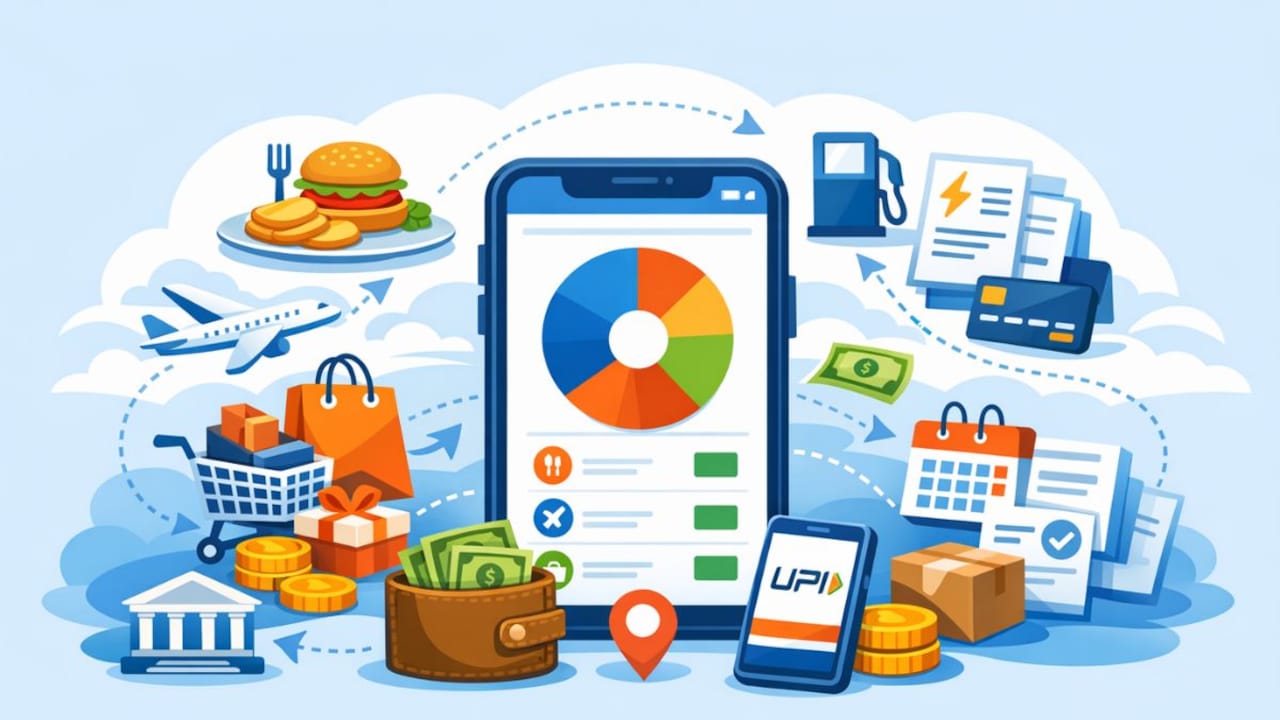
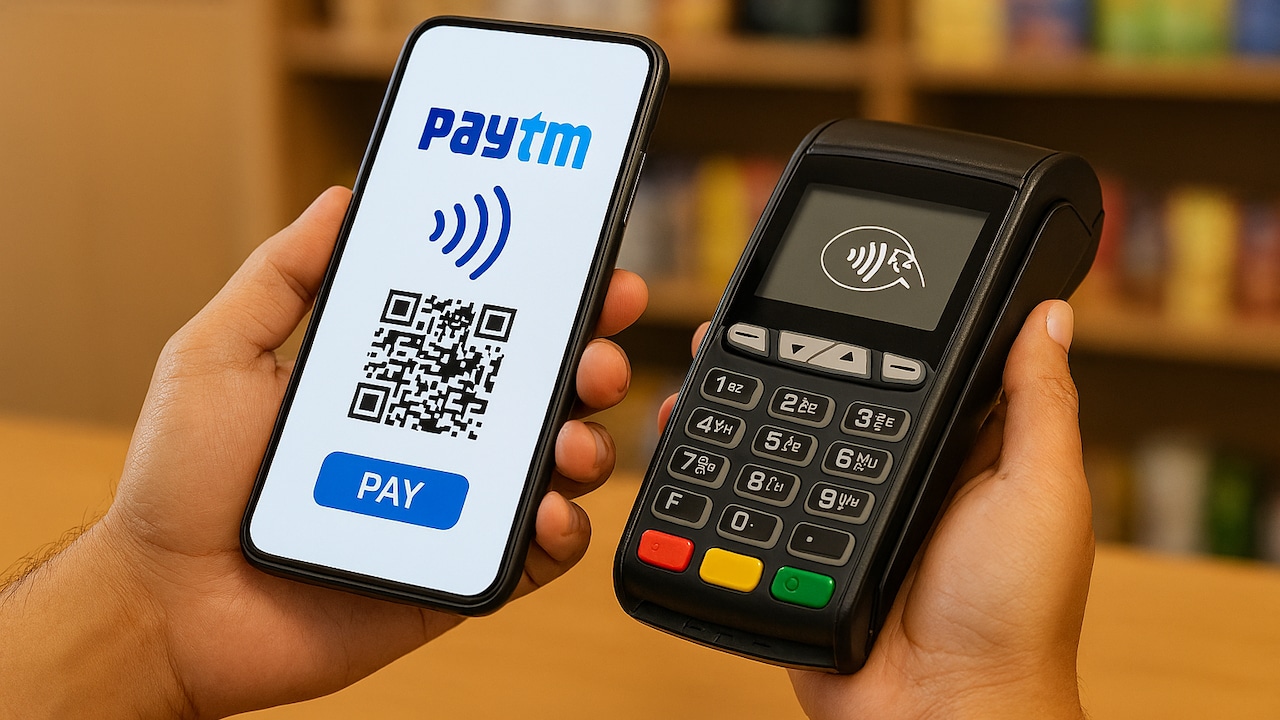
One app, one history, zero stress about your monthly expenses.
Photo Credit: Co-Pilot
If you don't want to juggle between multiple bank statements and card summaries, shifting most of your payments to a single digital app can make tracking much easier. Even if you can't shift all expenses, moving your variable spends, like food, travel, shopping, recharges, to a digital wallet or UPI app can give you a clean, consistent record.
Among the many payment apps available, Paytm stands out for its simplicity and the way it helps users manage personal finances with ease.
If you already use Paytm, or have been planning to, this is where it becomes truly valuable. Since most everyday transactions can be done on the app, tracking your spending becomes seamless.
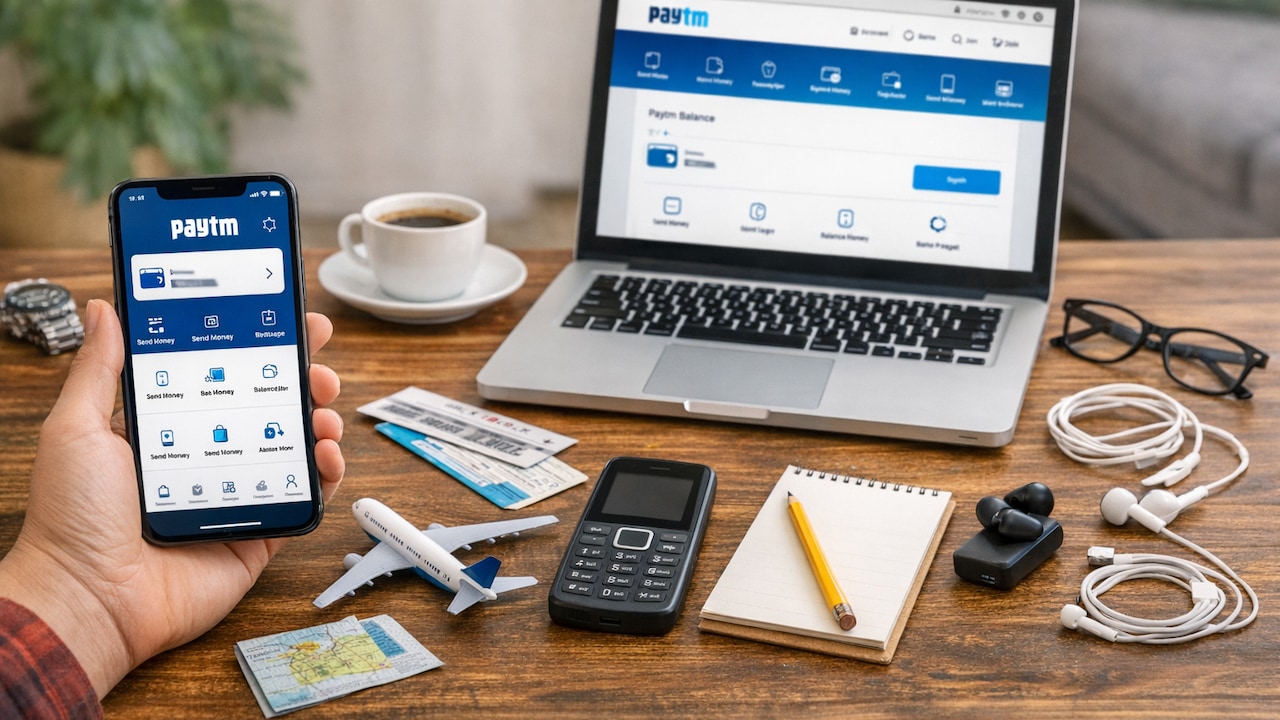
Paytm doesn't just enable transactions; it helps you understand them. With the Spend Summary feature, you get clear insights into your daily, weekly and monthly spending habits. Whether you want to check how much you spent on food, transfers, or recharges, Paytm gives you real-time visibility.
Every QR payment, recharge, bill, subscription, or transfer is recorded instantly. You don't need to remember, note down, or screenshot anything, the app organises it all neatly for you.
How To Track Monthly Expenses Using Paytm
You can view your Spend Summary in two easy ways:
Method 1: Through All UPI Services
- Open the Paytm app
- Tap on All UPI Services
- Select View Spends Summary
- View your monthly breakdown
- Categories like bill payments, groceries, transfers, etc., appear automatically
- Tap any month for a detailed view
This is one of the fastest ways to access your Paytm spending report.
Method 2: Through the ‘Free Tools' Section
- Open the Paytm app
- Scroll to the Free Tools section
- Tap Track Your Monthly Spends
- A category-wise monthly summary appears
- Explore details for each month
This gives you another straightforward path to access your expense summary.
Because Paytm is a single platform for multiple daily payments, your expense log becomes naturally organised, making reviews and budgeting far easier. If you haven't explored this feature yet, now is a great time. And if you're not using Paytm at all, installing the app can be your first step toward smarter financial management.
A Simpler Way To Stay In Control
Money management doesn't need to be complicated. When you track your daily expenses, you understand your habits better, avoid end-of-month stress, and make healthier financial decisions, without sacrificing your lifestyle. With a little awareness and the help of digital platforms like Paytm, staying on top of your finances becomes a habit that runs quietly in the background.
Frequently Asked Questions (FAQs)
1. How does budgeting help improve money management?
Budgeting gives you a clear idea of your income, fixed costs, and flexible spending. When you know where your money goes, you make more intentional financial decisions.
2. Why is daily expense tracking important?
Daily tracking prevents end-of-month surprises. It helps you catch overspending early, adjust your habits weekly, and stay aligned with your financial goals.
3. What's the easiest way to track daily expenses?
Using a single digital payment method automatically logs every transaction. This removes the need for manual notations or for maintaining spreadsheets.
4. Can budgeting really help me save more money?
Yes. With a clear budget and a record of your daily spending, you naturally reduce unnecessary purchases, identify patterns, and set realistic saving goals.
5. How can digital tools make budgeting simpler?
Many digital payment apps provide spend summaries, categorised expenses, and instant transaction logs. These insights make it easier to plan, review, and correct spending habits.
(Disclaimer: This article may include references to or features of products and services made available through affiliate marketing campaigns. NDTV Convergence Limited (“NDTV”) strives to maintain editorial independence while participating in such campaigns. NDTV does not assume responsibility for the performance or claims of any featured products or services.)